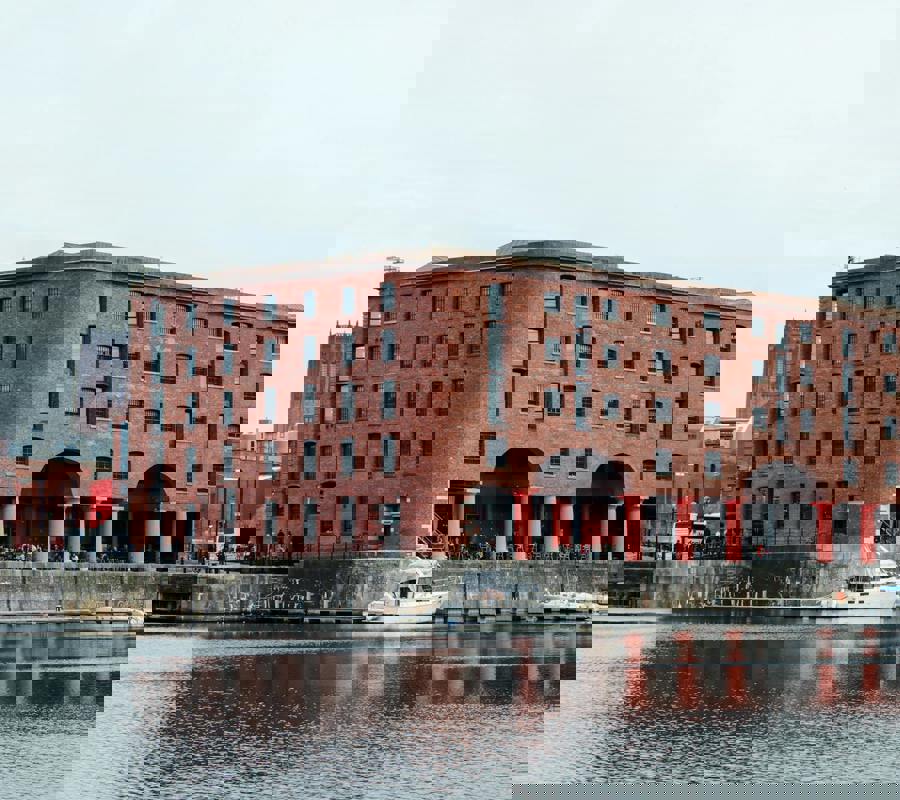
A striking new chapter has begun for Plymouth’s historic 19th-century warehouse on the waterfront, as it reopens its doors with a transformative identity. Once a bustling storehouse for naval goods, the imposing stone building now houses an imaginative blend of creative art studios and a vibrant weekend artisan market. This ambitious project is the result of a multi-year restoration, breathing new life into a previously neglected corner of the harbour and inviting the public to explore its heritage in novel ways.
Architects and conservationists have painstakingly preserved the original features of the warehouse, ensuring that its distinctive brickwork, timber beams, and traditional sash windows remain prominent. Their sensitive restoration work has enabled the building to retain its character, while also meeting modern safety and accessibility standards. "It was crucial for us to honour the integrity of this landmark," said lead architect Emma Rowe. "We wanted the past to blend seamlessly with the present."
The newly unveiled studios upstairs have quickly become a magnet for local artists and craftspeople seeking affordable, light-filled workspaces. Studio resident and ceramicist Alice Morton noted, "The natural light from the large windows is perfect for my work. Being surrounded by other creatives also sparks new ideas and possibilities." This collective atmosphere is further strengthened by communal areas designed for collaboration and public workshops.
Downstairs, the atmosphere shifts as the warehouse transforms each weekend into a bustling artisan market. Stallholders offer a curated range of handmade goods—from jewellery and textiles to preserves and illustrated prints. Local food vendors, including several celebrated street food operators, add to the lively mix, making the market a destination for residents and tourists alike. Organiser Sophie Harris described the opening weekend as "a resounding success with incredible turnout and positive energy throughout."
The economic impact of the revamp is already being felt, with the project expected to generate new jobs and stimulate business growth in the area. According to city council reports, up to 40 local jobs have been created directly by the studio and market operations alone. Local businesses have also benefited from the increased footfall, with neighbouring cafés and shops reporting higher sales since the opening. The city council has hailed the initiative as a prime example of sustainable urban regeneration.
Sustainability was a guiding principle in the project’s design and ongoing management. The restoration incorporated recycled materials wherever possible and installed energy-efficient lighting and heating systems. Efforts to minimise the building’s carbon footprint also include rainwater harvesting for use in communal bathrooms and a strict ‘no single-use plastic’ policy for all market vendors. Organisers hope these steps will set an example for future waterfront developments.
Community engagement has been central throughout the warehouse’s transformation. Residents were invited to share their ideas during planning consultations, leading to features such as an outdoor community seating area and regular open studio evenings. Local historian Dr. Richard Evans contributed archival photographs and stories, now displayed in a small exhibition space within the building. "The warehouse has always been part of the neighbourhood’s fabric," Dr. Evans remarked, "and it’s heartening to see it open to everyone again."
Art lovers and curious visitors will find a rolling programme of exhibitions, with the studios hosting monthly showcases of work by both emerging and established artists. Educational workshops, from printmaking to pottery, are also on offer to the wider public. These initiatives aim to make creativity accessible and foster learning among all age groups. The hope is that the warehouse will become a creative hub for the wider Plymouth community.
Visitor numbers have exceeded expectations since the grand opening, with over 2,000 people attending the first two weekends alone. Early feedback has been overwhelmingly positive, with many praising the diversity of the market stalls and the quality of the studio spaces. Local council leader Cllr Mark Williams acknowledged, "This project not only safeguards our built heritage but also creates new opportunities for our people. It’s exactly what our waterfront needed."
Looking ahead, organisers plan to expand the market and introduce outdoor events during the summer months, including music performances and family activities on the nearby quayside. Partnerships with local schools and colleges are being developed, aiming to give young people access to studio resources and mentorship. By blending history, culture, and contemporary enterprise, the warehouse’s transformation stands as a testament to the power of thoughtful regeneration on Plymouth’s dynamic waterfront.